

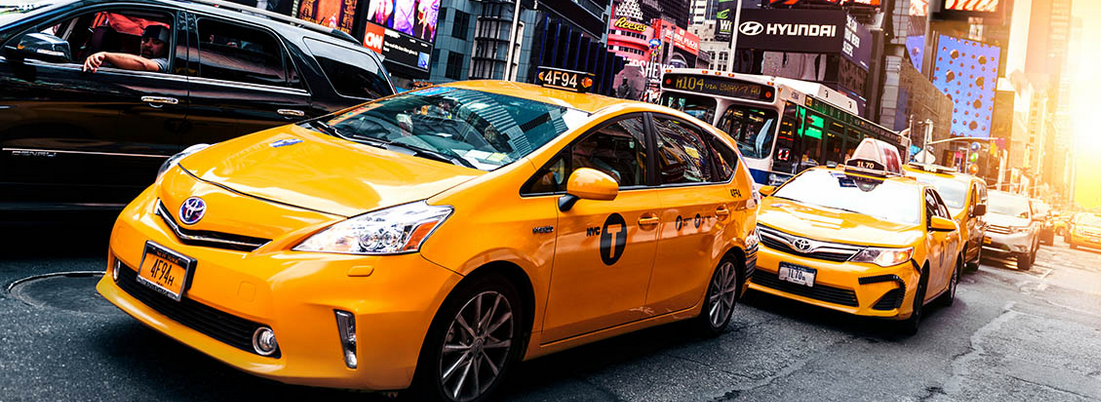

Taxi Insurance In New York City, the presence of an official yellow cab or a licensed rideshare vehicle provides an invisible layer of protection: security in knowing there is substantial commercial insurance with high limits. The problem starts when passengers take an illegal can — a “gypsy cab” or another un-TLC regulated car authorized to carry passengers for hire.
They are a huge financial gamble to use. They are a major impediment to any passenger who is looking for fair compensation when there has been an accident and they complicate the arithmetic of a personal injury case.
The Catastrophic Taxi Insurance Coverage Gap in Taxi Insurance Gypsy Cabs
The heart of the unlicensed vehicle problem is that such infrequent (sic) cases create a large void between mandatory insurance limits. Taxis licensed by the T.L.C. must maintain at least $100,000 per person and $300,000 per accident in liability coverage. Unauthorised vehicles are working outside this regulation.
- Low, Legal Minimums: A vehicle operating without official recognition is legally considered much like a private car. You need carry only the state’s bare legal minimum: $25,000 for one person and $50,000 per accident.
- The Funding Cliff: If a rider in a gypsy cab breaks a leg and requires an operation, the medical costs alone can easily surpass the limit of $50,000 in coverage. Then whatever amount is the what victim’s own personal insurance pays (if they have a car policy) or just take them to court and go after their assets.
Denial of Policy in Taxi Insurance: The Fatal Mistake of the Drivers
Outside the sublimits, one faces total policy exclusion.
- Commercial Exclusion: Most standard auto private insurance policies contain a very strict “commercial use exclusion. If the drivers are operating illegally (or using their personal car to transport people for hire, i.e., not by livery or taxi license, but as an illegal hack, that is the gypsy cab scenario) then the insurer can deny all coverage.
- The Outcome: Short of any appeal to the private insurer (which supplies its own Judge as mediator!), injured passenger effectively has no remedy. They can’t be filing against the TLC’s high-limit policies. Their only recourse is to sue the drivers, who don’t have license and often poor.
Your Last Line of Defense: Your Policy
Should you be injured in an unlicensed vehicle, your claim strategy changes all together, as we squarely leave fault of the drivers.
- No-Fault Claim – You must still file a No-Fault claim if you own a car with your own auto insurance company. If you do not have insurance, you can file under a relative’s policy or the MVAIC (Motor Vehicle Accident Indemnification Corporation) fund, which has its own regulations and limits.
- Uninsured Motorist Claim: If the gypsy cab drivers have no enforceable coverage (by disavowal, or by expiration), then the hurt passenger would recover under an Uninsured Motorist claim of his/her own personal auto policy. This, once again, shows the financial jeopardy: The decedent will be forced to resort to his own policy since their drivers paid nothing.
The requirement of the official TLC license, and the necessary commercial taxi insurance is a commitment of financial responsibility. By electing to take an unlicensed ride, you give up that promise and put the financial responsibility of a traumatic event directly on the victim.
Curious about what to do as a passenger immediately after an accident involving Taxi Insurance Gypsy Cabs?







Leave a Comment